
Cost, Capacity, and Quality – What’s Driving the Shift
A Yachikang Dent Industry Brief
Keywords: dental lab outsourcing China 2026 · outsource dental lab work to China · China dental lab cost savings · offshore
dental crowns and bridges · dental CAD/CAM outsourcing · B2B dental lab partner China.
Introduction: The Global Shift in Dental Manufacturing
Dental practices, dental service organizations (DSOs), and independent labs across the United States, the
European Union, and Australia are facing the same squeeze in 2026: rising lab fees, a shortage of skilled dental
technicians, and patients who expect faster turnaround at lower cost. The response has been a steady,
accelerating move toward outsourcing dental lab work to China.
This isn’t a fringe trend anymore. It has become a mainstream operational strategy for crowns, bridges, dentures,
implant restorations, and full-arch cases. Below, we break down exactly why dental lab outsourcing to China in
2026 is winning over practices in three very different regulatory markets the US, EU, and Australia through three consistent pillars: cost, capacity, and quality.
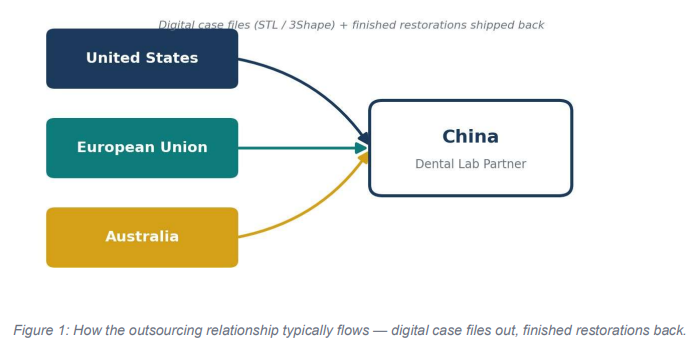
The 2026 Outsourcing Flow: Western Practices → China-Based Dental Labs
1. Cost: The Core Driver of China Dental Lab Outsourcing
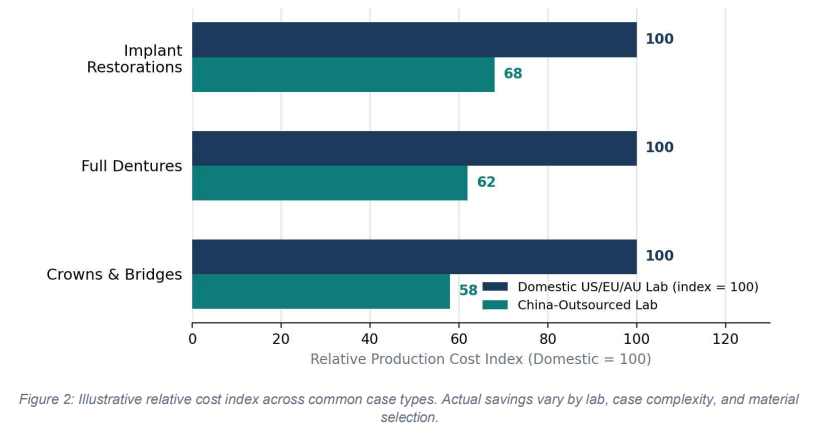
Cost remains the single biggest reason practices explore offshore dental manufacturing. Industry estimates
consistently point to average cost savings of 30 to 50 percent compared to labs based in the US or Europe, with
separate analyses citing reductions in the 30 to 40 percent range versus local manufacturing.
Illustrative Cost Comparison: Domestic vs. China-Outsourced Dental L
Several structural factors explain this gap:
- Lower labor and material costs: dental labor and raw materials are generally less expensive in China, directly compressing per-unit lab fees.
- Scale economics: large-scale manufacturing facilities with extensive CNC milling capacity enable fast turnaround on high-volume orders at competitive pricing.
- Comparable-quality pricing advantage: at similar quality levels, production costs in China remain significantly lower than in Europe, the US, or Japan.
Illustrative Breakdown: Where China Dental Lab Cost Savings Typically Come From
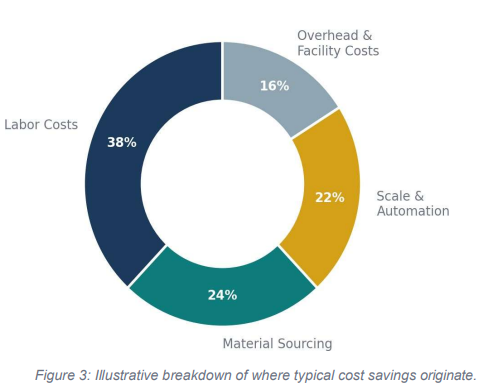
For a DSO running dozens of locations, or a solo practice trying to stay price-competitive against corporate dental chains, that margin difference on every crown, bridge, or denture case adds up quickly often becoming the deciding factor in whether a practice can hold clinical fees flat while wages and rent at home keep climbing.
2. Capacity: Scaling Production Without Domestic Bottlenecks
Cost alone wouldn’t sustain this shift if Chinese labs couldn’t also deliver volume and speed. This is where capacity
becomes the second pillar. Western dental labs are dealing with a well-documented technician shortage, and
many domestic labs can’t absorb overflow work during peak seasons without extending turnaround times. Chinese
labs have addressed this gap through heavy investment in digital infrastructure:
- Digital-first workflows: a decade of investment in CAD/CAM technology has produced standardized, reproducible production processes.
- Full case-type coverage: labs now reliably handle routine crowns and bridges alongside full dentures and complex full-arch cases.
- End-to-end digital integration: most orders move entirely through digital file transfer (STL, PLY, 3Shape), supporting accuracy, efficiency, and scalability.
- Supply chain depth: a full domestic supply chain materials, equipment, and logistics supports stable, long-term outsourcing partnerships.
This combination lets a practice in Melbourne, Munich, or Miami route overflow cases or even its entire lab workload to a Chinese partner without the multi-week backlogs that plague many understaffed domestic labs.
3. Quality: Closing the Perception Gap
Quality used to be the biggest objection to outsourcing overseas. That objection is fading fast in 2026, for a few concrete reasons:
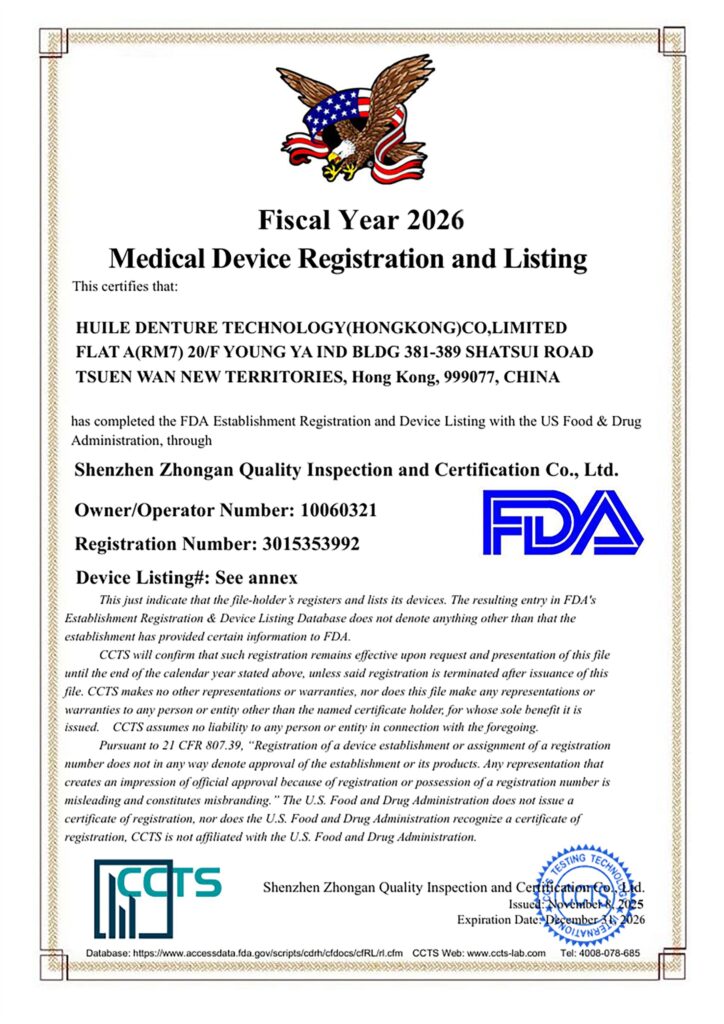
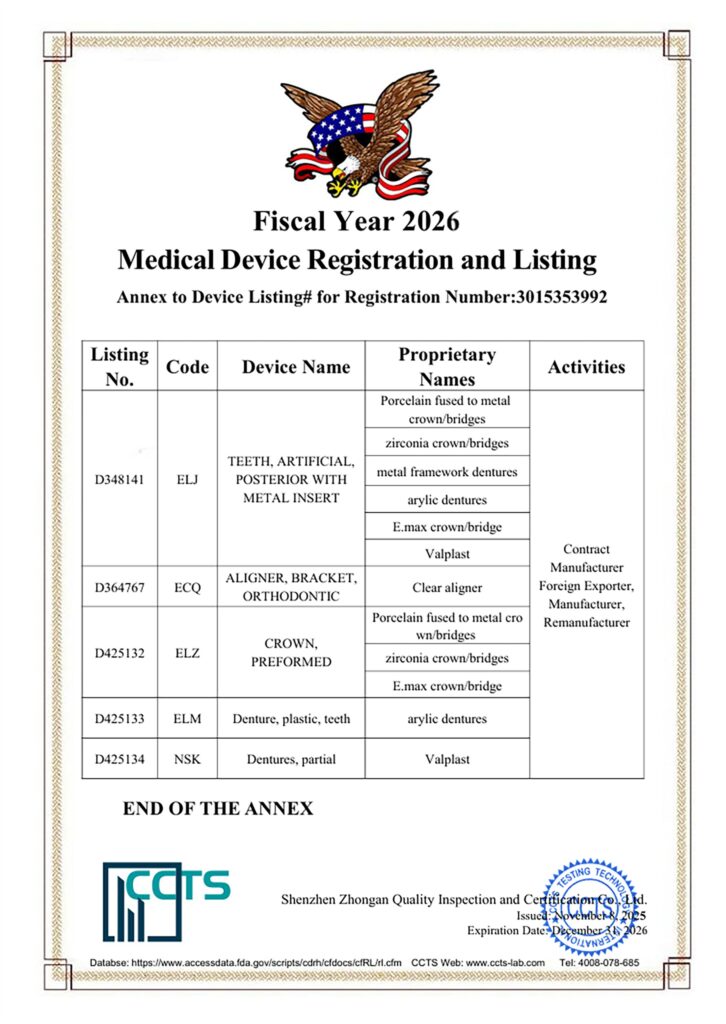
- Certified materials: reputable labs manufacture using FDA-approved zirconia, PMMA, E.max, and other internationally recognized materials.
- Consistency through automation: automated production and standardized workflows help reduce remake rates.
- Structured quality control: workflow integration, material innovation, and digital case management build accountability into every stage of production.
- Ongoing vetting is still essential: buyers should still conduct regular audits and stay current on evolving import/export regulations affecting cross-border dental device shipments.
The net effect: for standardized, high-volume products like crowns, bridges, and surgical guides, a high-capacity milling-center partner is generally the right fit, while complex full-arch implant restorations still call for labs with proven technical expertise and stricter quality control a distinction smart buyers now build into how they select a partner.
Regional Nuances: US vs. EU vs. Australia
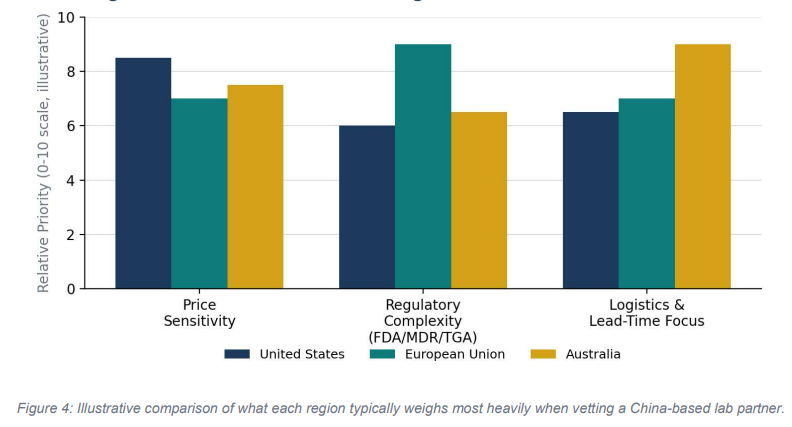
Regional Priorities When Selecting a China-Based Dental Lab Partner
| Region | Key Regulatory Frame | Deciding Factor |
| United States | FDA device requirements | Standardizing pricing across DSO networks; buffering domestic labor shortages |
| European Union | CE marking / MDR compliance | Material traceability and documented regulatory conformity |
| Australia | TGA requirements | Reliable digital case tracking and consistent air-freight turnaround |
What This Means for B2B Dental Lab Partnerships in 2026
Growth in the international dental industry is no longer driven purely by treatment demand it is increasingly shaped by workflow integration, digital case management, and cross-border production realignment. For Western practices and labs, the outsourcing decision in 2026 isn’t just “can I save money” – it’s “which partner offers the right combination of cost efficiency, digital workflow compatibility, and documented quality control for my specific case mix.”
Practices that treat outsourcing as a long-term supply chain relationship not a one-time cost-cutting hack are the ones seeing the best results: predictable turnaround, fewer remakes, and margin protection even as domestic lab fees keep rising.
Key Takeaways
| Pillar | What It Means |
| Cost | Expect 30–50% savings vs. domestic US/EU/AU pricing, driven by labor, materials and scale. |
| Capacity | Digital CAD/CAM investment lets Chinese labs handle everything from single crowns to full-arch denture. |
| Quality | Certified materials and automated production have narrowed the quality gap-audit still matters. |
| Regional Fit | Match the partner to your regulatory frame (FDA / MDR-CE / TGA) and logistics needs, not just production. |
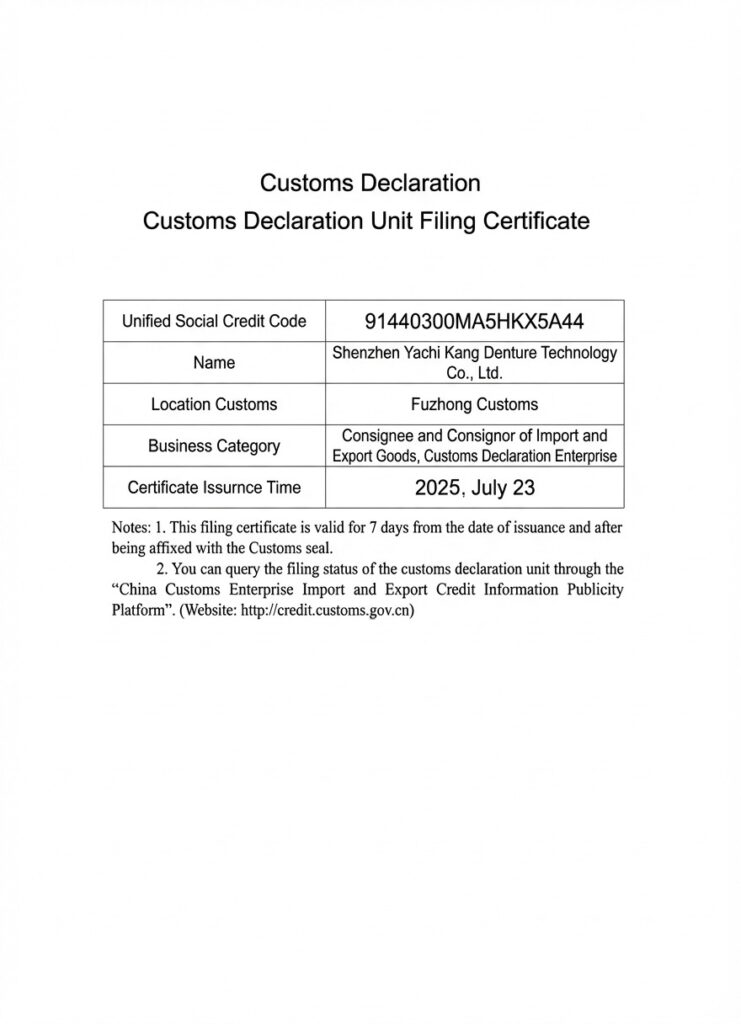
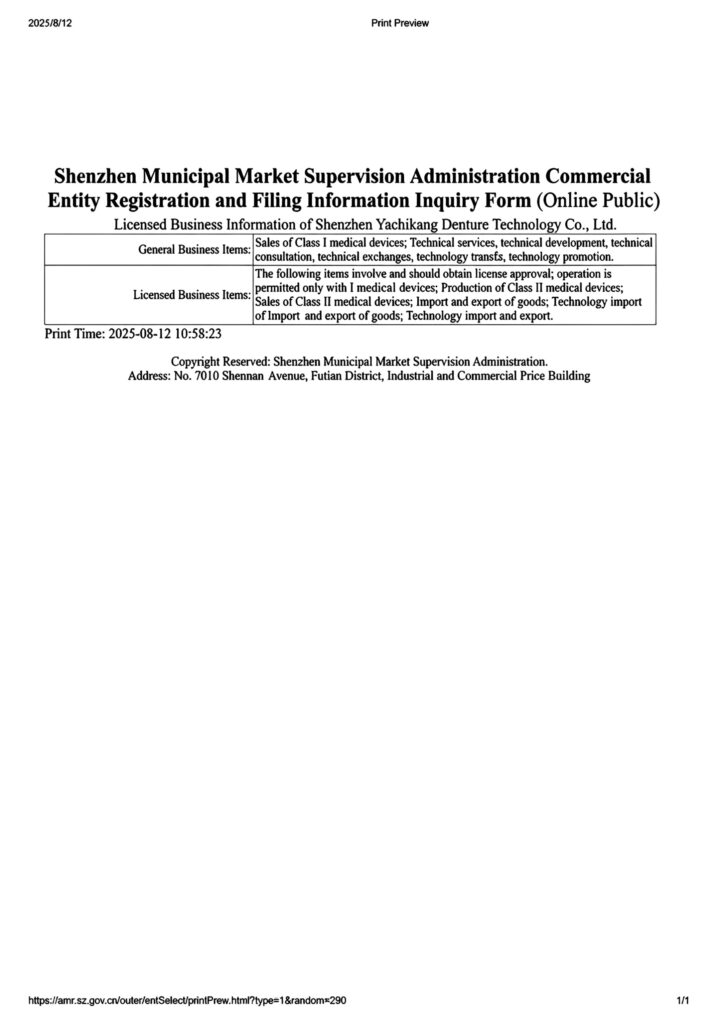
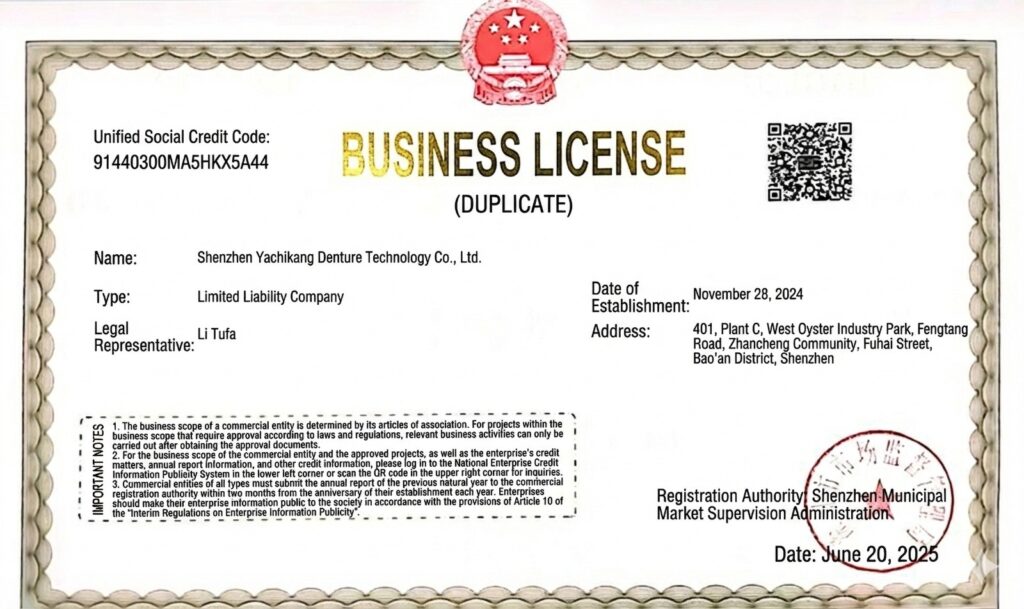
Interested in setting up a reliable, audited outsourcing pipeline with a China-based dental lab for your US, EU, or Australian practice? Yachikang Dent combines certified materials, digital workflow compatibility, and case-by-case quality control not just the lowest price per unit as a long-term B2B dental lab partner.